
When it comes to cannabis cultivation, few decisions carry more weight than choosing between indoor, outdoor, and greenhouse cannabis growing methods. This single choice shapes everything from a crop’s terpene and cannabinoid profile to the overall cost of production and the day-to-day reality of running the business.
Each method comes with a distinct set of advantages and tradeoffs worth understanding before committing.
Indoor Cultivation
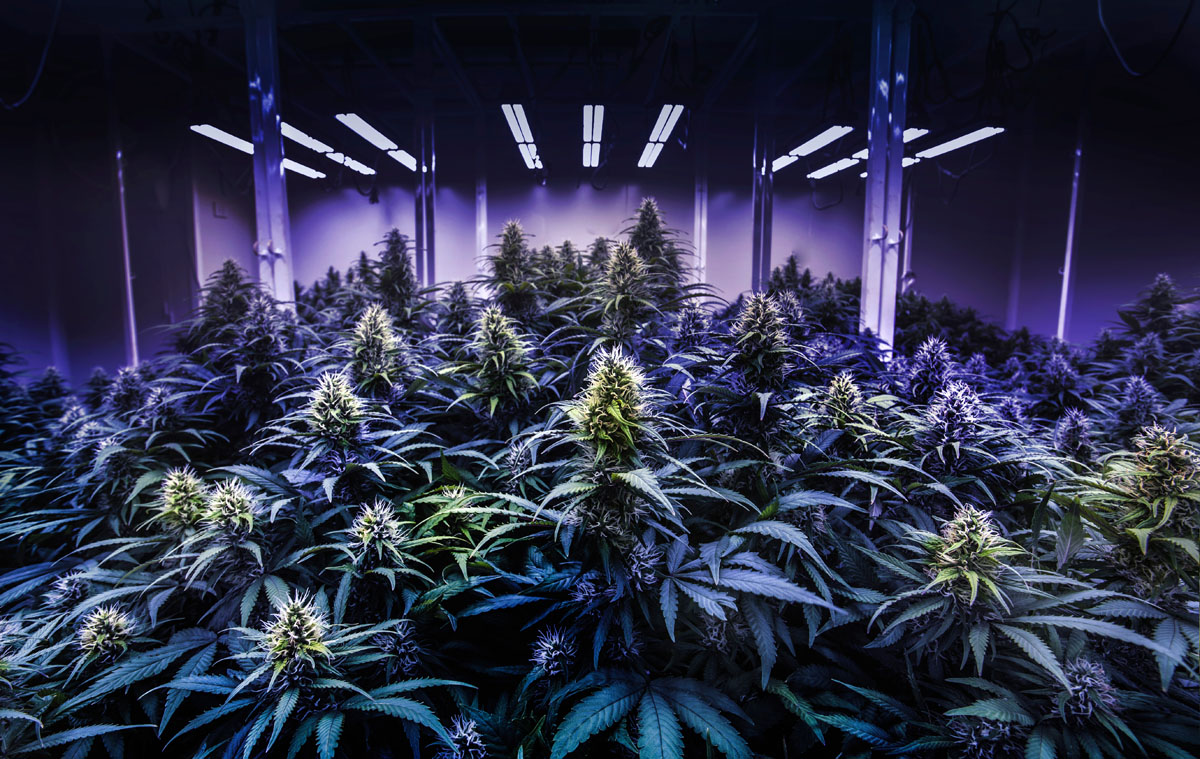
As the cannabis industry has expanded into regions without ideal natural growing climates, indoor cultivation has become increasingly common. The ability to control every variable in the growing environment is the defining appeal.
Advantages of Indoor Cultivation
Indoor cultivation gives growers precise control over light cycles, room temperature, and humidity levels. For strains that require specific growing conditions, or for operations based in climates that make outdoor growing impractical, such as Las Vegas in July or Minnesota in December, that level of control is a significant asset.
Indoor operations also support perpetual growing cycles. Unlike outdoor cultivators who are tied to seasonal rhythms, indoor growers can run multiple harvests year-round, including through the winter months.
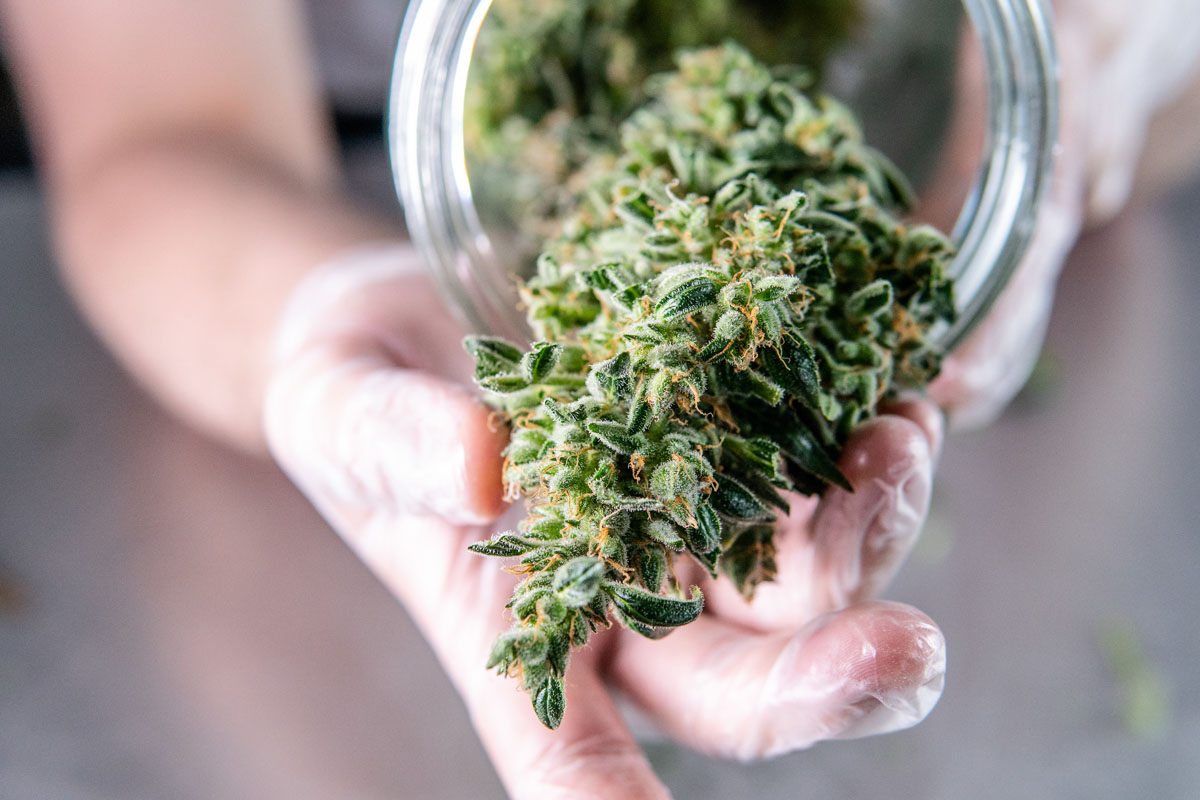
From a product standpoint, indoor-grown cannabis flower tends to produce dense, well-manicured buds with the visual profile that many dispensaries associate with top-shelf flower. For brands where aesthetics are part of the value proposition, indoor sourcing may be the stronger fit.
Disadvantages of Indoor Cultivation
The primary drawback is cost. Electricity bills for advanced lighting and HVAC systems can be substantial, and those expenses stack on top of water costs and commercial facility rent. For cultivators working with a limited budget, indoor operations can be difficult to sustain.
Environmental impact is also worth factoring in. The high energy consumption of indoor cultivation carries a considerably larger carbon footprint than outdoor or greenhouse methods, which matters for brands that prioritize sustainability in their operations.
Outdoor Cultivation
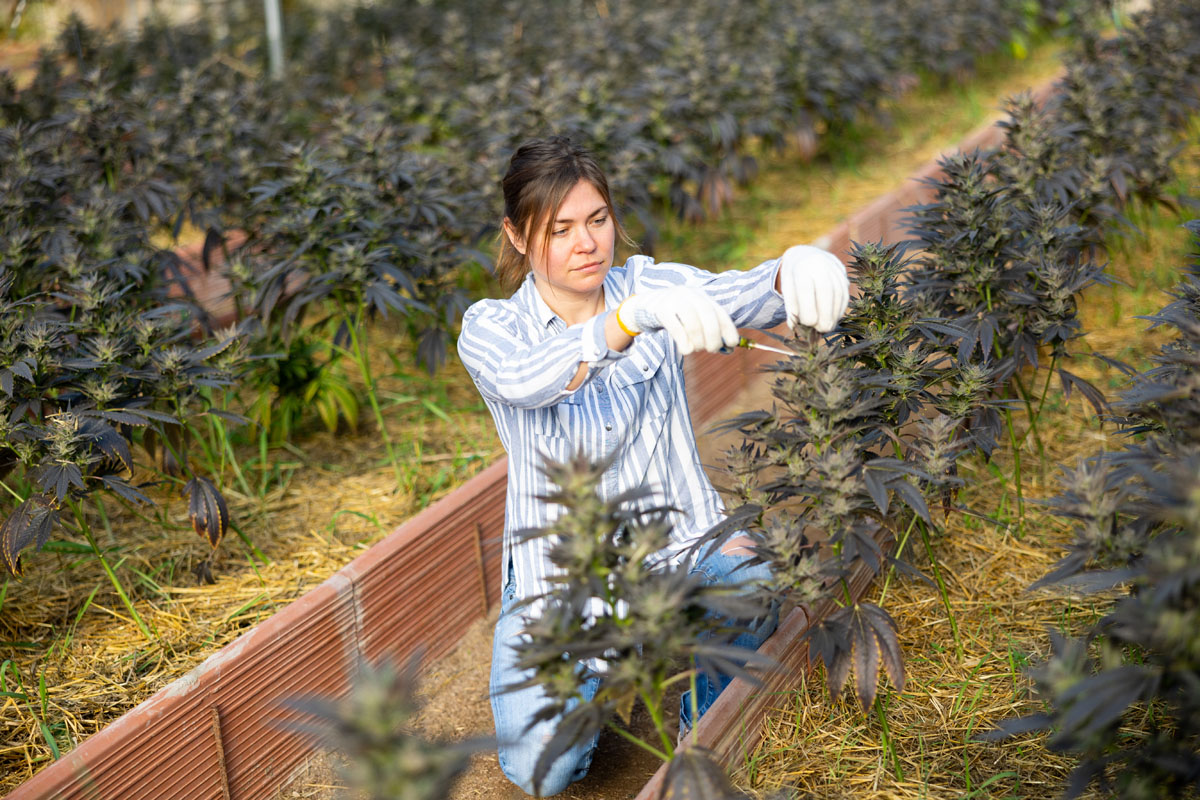
Outdoor cultivation is the most traditional approach and remains a practical and widely used method, particularly in regions with favorable climates.
Advantages of Outdoor Cultivation
Growing outdoors removes the overhead of expensive lighting and irrigation systems. Natural sunlight and rainwater do the work, which significantly reduces both energy costs and environmental impact. For cultivators operating on tighter margins, or those based in regions like Humboldt or Mendocino County with Mediterranean-like growing conditions, outdoor cultivation is often the most viable and cost-effective path.
Natural sunlight also provides a broader spectrum of UV rays than most artificial lighting systems, which can support a wider range of terpene and cannabinoid development.
Many cultivators and consumers argue that sun-grown cannabis produces a more complex terpene profile that indoor lighting cannot fully replicate.
Disadvantages of Outdoor Cultivation
Outdoor crops are directly exposed to weather and environmental conditions. An unexpected storm or sudden temperature shift can affect both yield and quality in ways that are difficult to anticipate or correct. Pest and insect management also requires more active attention when growing fully outdoors.
Harvest schedules are seasonal, typically limited to one or two cycles per year, which reduces flexibility compared to indoor operations.
Outdoor-grown cannabis flower also tends to have a more rustic appearance than indoor-grown cannabis. For cultivators and dispensaries where visual presentation is a key factor, that distinction matters.
Greenhouse Cultivation
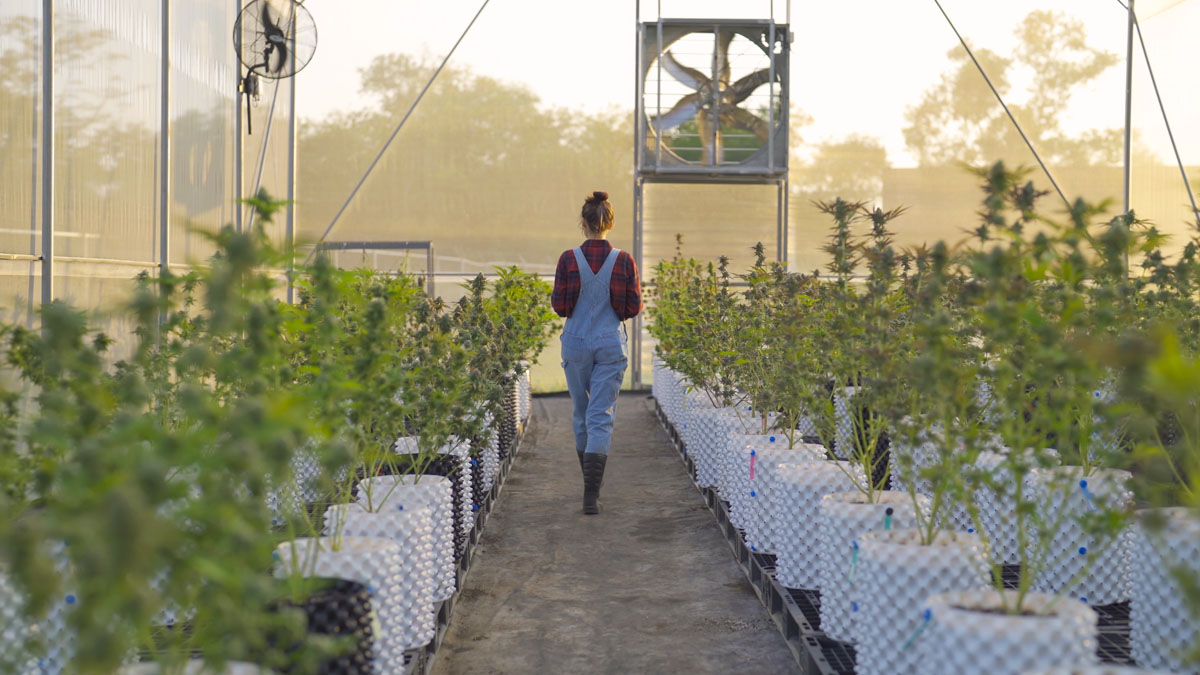
Greenhouse cultivation sits between indoor and outdoor methods, combining natural light and airflow with a controlled, protected environment. It is a practical middle ground for cultivators looking to balance quality, cost, and sustainability.
Advantages of Greenhouse Cultivation
Greenhouse operations use primarily natural sunlight, which significantly reduces energy costs compared to fully indoor facilities. This makes greenhouse growing a more environmentally friendly option while still providing enough environmental control to support year-round cultivation and multiple harvests per year.
The structure itself offers meaningful protection from unpredictable weather and outdoor pests. Compared to fully outdoor crops, greenhouse-grown flower tends to be cleaner and more consistent in quality.
Disadvantages of Greenhouse Cultivation
The upfront cost of building a compliant, functional greenhouse can be considerable. Ongoing maintenance costs also tend to be higher than outdoor operations, and growers in extreme climates, whether desert heat or harsh winters, may face additional challenges managing internal conditions.
Because greenhouses rely on natural airflow, they remain more vulnerable to pests and pathogens than fully sealed indoor facilities. That tradeoff is worth weighing carefully depending on the region and strain being grown.
Key Takeaways
- Indoor cultivation offers the most control over growing conditions but carries the highest operating costs and energy footprint
- Outdoor cultivation is the most cost-effective and environmentally sustainable method but is weather-dependent and seasonally limited
- Greenhouse cultivation combines natural light with environmental protection, offering a balance between cost, quality, and year-round production
- The right method depends on business goals, regional climate, budget, and the type of product the market demands
- Each method can produce high-quality cannabis when managed well
FAQ
- Which cannabis cultivation method produces the best flower?
Quality depends on execution more than method. Indoor cultivation tends to produce visually dense, manicured buds, while outdoor and greenhouse growing can yield complex terpene profiles that indoor lighting does not always replicate. The best method depends on the cultivator’s goals and resources.
- Is indoor or outdoor cannabis more sustainable?
Outdoor cultivation has the lowest environmental impact, followed by greenhouse. Indoor cultivation carries the largest carbon footprint due to high energy consumption from lighting and climate control systems.
- Can greenhouse cannabis compete with indoor in terms of quality?
Yes. Well-managed greenhouse operations can produce clean, high-quality flower with more complex terpene development than some indoor grows, while keeping production costs lower.
- How many harvests can each method support per year?
Indoor operations can support multiple harvests year-round. Greenhouse cultivation typically allows for several harvests with extended seasons. Outdoor cultivation is generally limited to one or two seasonal harvests per year.
- What growing method is best for a new cannabis business?
It depends on location, budget, and product goals. Outdoor and greenhouse methods typically require lower startup costs, while indoor offers more control but demands a larger ongoing investment.
Grow Your Knowledge, Shop with Confidence
Whether you are still learning the ins and outs of cannabis cultivation or simply want to explore the products that different growing methods produce, Shore House Canna in West Cape May, NJ is here to help. Our knowledgeable team is ready to walk you through our selection of indoor, outdoor, and greenhouse-grown cannabis products so you can find what works best for you.
Stop by and see us, ask questions, and shop a curated menu of quality cannabis in the heart of the Jersey Shore.
DISCLAIMER: The contents of this blog are intended for informational purposes only. Always seek the advice of a physician or other qualified healthcare provider with any questions you may have regarding a medical condition.